It happens to everyone: the shoes are the wrong size, the gadget does not match its photos, or you simply changed your mind. Returning something you bought in a store is easy — you walk in with the receipt. Returning an online order feels more complicated, with shipping labels, return windows, and refund timelines to navigate. But once you know the process, getting your money back is straightforward. This guide walks you through how to return an online order for a refund, step by step — including what to do when something arrives damaged, who pays for return shipping, and the mistakes that can cost you money.
Before You Start: Know the Store’s Return Policy
Every return starts with the store’s policy, and the details matter more than most people realize. Before you do anything else, find the return policy on the retailer’s website (it is usually linked in the footer) and check four things. First, the return window: how many days from delivery do you have? Standard windows are typically 30 days, but some stores allow 60 or 90, while final-sale items may not be returnable at all. Second, the condition requirements: does the item need to be unopened, or is “like new” acceptable? Clothing often needs tags attached; electronics often must include all original accessories. Third, who pays for return shipping — this varies widely and can turn a refund into a loss if you are not careful. Fourth, exceptions: personalized items, opened software, swimwear, and perishables are commonly non-returnable. During the holiday season, many stores extend their return windows, so a December purchase might be returnable well into January — always check.
Step-by-Step: How to Return an Online Order
The exact clicks differ by store, but the process follows the same pattern almost everywhere:
- Find your order. Log into your account on the retailer’s website or app and open your order history. If you checked out as a guest, use the order confirmation email — it contains a link to manage the order.
- Start the return. Look for a “Return” or “Return items” button on the order details page. Select the item(s) you want to return and choose a reason from the dropdown menu. Be honest here — the reason you select can affect whether return shipping is free.
- Choose your return method. Most stores offer several options: a prepaid shipping label you print at home, a QR code you show at a drop-off point (no box or printer needed), or in-store return at a physical location. In-store returns are usually the fastest and cheapest option when available.
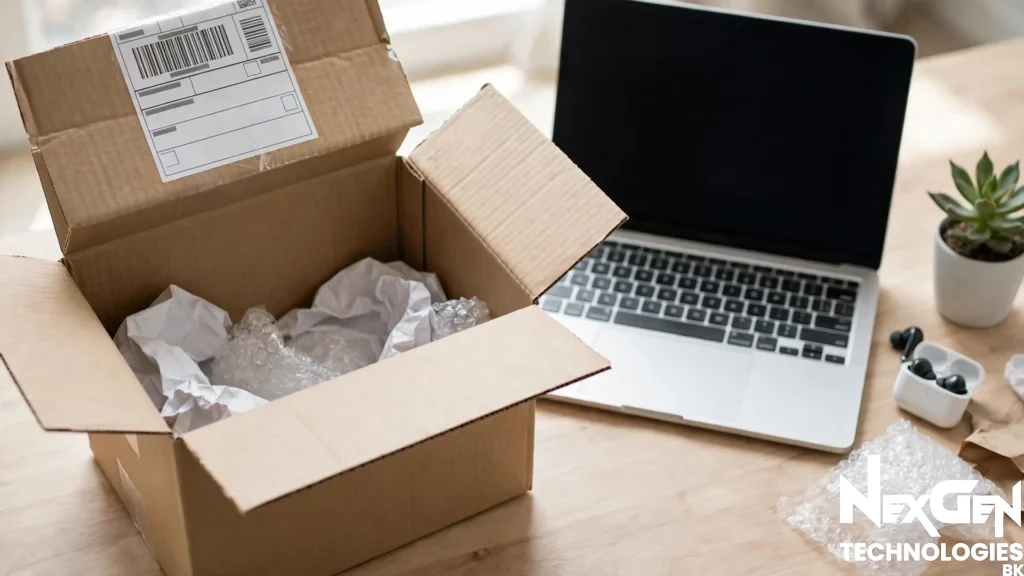
- Pack the item securely. Use the original packaging if you still have it. Include all accessories, manuals, and free gifts — missing pieces can trigger partial refunds or restocking fees. Take a quick photo of the packed item as proof of condition.
- Ship it or drop it off. Attach the label, keep the tracking receipt, and do not throw away the tracking number until your refund arrives. For QR-code returns, save the drop-off receipt the store gives you.
- Track your refund. Most stores send email updates as the return moves through their warehouse. If the tracking shows “delivered” but you hear nothing within the store’s stated processing time, contact customer support with your tracking number ready.
Return Shipping: Who Pays and How It Works
Return shipping is where refunds quietly shrink. Many large retailers offer free returns — either prepaid labels or free drop-offs — at least for certain reasons like damaged or incorrect items. But plenty of stores charge return shipping, either by deducting it from your refund or by making you pay the carrier yourself. Before you start a return, check which applies: a $10 return label on a $25 item changes the math considerably.
A few money-saving tips: if the store offers free in-store returns, use them — they cost nothing and refunds often process faster. If you are returning multiple items from the same order, return them together rather than in separate shipments. And if an item arrived damaged or incorrect, say so clearly when starting the return — stores almost always cover shipping in those cases, and some will even send a replacement without requiring you to ship the broken item back.
What to Do If the Item Arrived Damaged or Wrong
Damaged, defective, or incorrect items are a special category — your rights are stronger and the process is usually easier. Act quickly: photograph the damage and the packaging before you repack anything, because the store may ask for evidence. Start the return and select “damaged” or “incorrect item” as the reason; this typically unlocks free return shipping and sometimes an instant replacement shipment. If the store is unresponsive, you have backup options: most credit cards and payment services offer purchase protection or chargeback rights for items that arrive damaged or never arrive at all. Keep all correspondence and tracking numbers until the issue is fully resolved.
Common Return Mistakes That Cost You Money
- Missing the return window. Mark the deadline on your calendar the day the item arrives. Once the window closes, most stores will refuse the return outright.
- Throwing away the original packaging too soon. Keep boxes and accessories until you are sure you are keeping the item — many stores require original packaging for a full refund.
- Using the item first “just to try it.” For categories like earbuds, personal care devices, or swimwear, hygiene rules may make a used item non-returnable. Check the policy before testing.
- Ignoring restocking fees. Some stores charge a percentage fee on certain electronics. Factor it into your decision — sometimes keeping the item or reselling it yourself nets you more.
- Not keeping proof of return. Always keep the tracking number or drop-off receipt until the refund posts. If a return gets lost, that receipt is your only evidence.
- Accepting store credit without thinking. Some stores default to store credit instead of a refund to your original payment method. If you want cash back, check the refund method before confirming.
How Refunds Work: Timelines and Methods
Once the store receives your return, the refund clock starts — but “starts” does not mean “instant.” Most retailers take several business days to inspect the returned item, then issue the refund to your original payment method. From there, your bank or card issuer may take additional business days to post it. All told, expect roughly one to two weeks from drop-off to money back in your account, though many large retailers are faster. Refunds typically go back to the original payment method automatically; gift card purchases are refunded as new gift cards. If a refund has not appeared after the store’s stated timeframe plus a few extra days, contact support with your return tracking number — and check your spam folder first, since refund confirmations love to hide there.
Frequently Asked Questions
Can I return an online order to a physical store?
Often, yes. Many retailers with both online and physical stores accept online returns in-store, and it is usually the fastest option — no shipping, no waiting for a label, and refunds frequently process on the spot. Check the store’s policy first, and bring your order confirmation.
What if I lost the receipt or order email?
Log into your account on the retailer’s site — your order history is the receipt. For guest checkouts, search your email for the store’s name. As a last resort, your credit card or bank statement proves the purchase date and amount, which customer support can use to locate the order.
Do I have to pay for return shipping?
It depends on the store and the reason. Many large retailers offer free returns, especially for damaged or incorrect items. Others deduct return shipping from your refund. Always check the policy before starting the return so there are no surprises.
Can a store refuse my return?
Yes, if you are outside the return window, the item is ineligible (final sale, personalized, hygiene-restricted), or it is returned in unacceptable condition. This is why reading the policy first and keeping packaging matters so much.
Conclusion
Returning an online order for a refund is a simple process once you know the steps: check the return policy, start the return from your order history, pack everything carefully, keep your tracking proof, and follow up if the refund is slow. The biggest wins come from the details — hitting the return window, choosing free return methods, and documenting damaged items. Do it right, and getting your money back is just a matter of patience.